Structuring Deposit Bonuses Around Game Transition Moments in Multi-Platform Casino Play
Written by Viktor Simon · Oct 12, 2026
Structuring Deposit Bonuses Around Game Transition Moments in Multi-Platform Casino Play
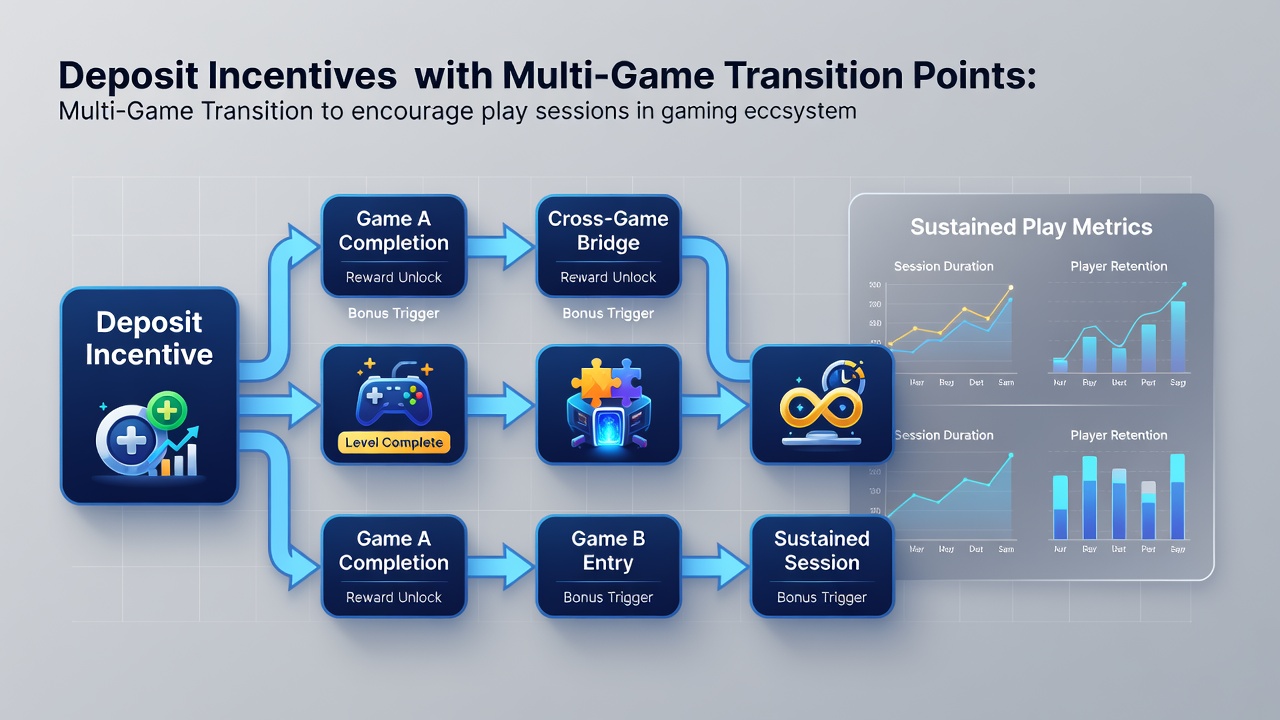
Online casino operators have developed systems that link deposit incentives directly to the points where players move between game types, and these alignments aim to extend session lengths across slots, tables, and live dealer formats. Data from platform analytics shows that players who receive targeted deposit matches at transition moments tend to maintain activity for longer periods than those who encounter standard bonus structures, while figures from industry reports indicate average session extensions of fifteen to twenty-five minutes when incentives activate precisely at switch points.
Mechanics of Transition-Linked Deposits
Casino software tracks player movement between verticals such as video slots and poker rooms, and operators program deposit bonuses to trigger automatically when a player completes one category and enters another. Research from gaming analytics firms reveals that these triggers often include percentage matches on deposits made within a two-minute window after leaving a game, and the structure encourages continued play because the bonus funds become available immediately upon the next game load. Observers note that platforms in regulated markets like those overseen by the Nevada Gaming Control Board have refined these timing windows based on session data collected through 2026, and October 2026 updates to several major operators included refined API connections that detect transitions faster and apply incentives without requiring players to navigate separate menus.
Systems also incorporate game-specific multipliers that activate only after a transition occurs, so a deposit made while shifting from blackjack to roulette might carry an additional twenty percent match unavailable during single-game sessions. Studies conducted by academic researchers at institutions tracking digital gambling patterns confirm that such conditional bonuses correlate with higher retention rates across multi-game users, and the design avoids overlap with earlier mechanics like multiplier stacking by focusing solely on deposit timing rather than in-game accumulation.
Player Behavior Patterns and Platform Data
Analytics dashboards used by casino operators record that roughly forty percent of extended sessions involve at least one deposit executed during a game change, and these deposits frequently occur after players exhaust initial balances in high-volatility slots before moving toward lower-volatility table options. Evidence collected from platforms serving North American and European markets shows deposit volumes rising by eighteen percent during transition windows compared with random deposit times, while session completion rates improve when the incentive structure matches the new game category. Regulatory filings from bodies such as the Australian Communications and Media Authority highlight similar patterns in licensed operations, where operators report that transition-aligned deposits reduce early exits by aligning bonus value with the psychological shift players experience when changing games.

One study released in mid-2026 examined over two million sessions and found that players who received a deposit incentive within thirty seconds of a detected transition completed an average of 1.7 additional game rounds before logging off. The same analysis indicated that these patterns hold across different age groups and geographic regions, suggesting the alignment works because it removes friction at the moment players might otherwise consider ending their activity.
Implementation Across Different Jurisdictions
Operators in the United States have incorporated these deposit alignments into apps serving multiple states, and the approach complies with varying state rules by limiting bonus eligibility to verified accounts that have already completed a prior game. In Canada, provincial regulators have reviewed similar systems for fairness, and reports note that clear disclosure of transition windows helps maintain compliance while still supporting longer play. European platforms licensed under frameworks from the Malta Gaming Authority apply comparable structures but adjust the bonus percentages based on local responsible gaming requirements, and the result is a set of incentives that scale with the number of transitions a player completes within a single session.
Industry organizations such as the European Gaming and Betting Association have published guidelines on transparent incentive timing, and these documents emphasize that players must see the deposit offer before confirming the game switch. Data from these guidelines shows that transparent presentation increases acceptance rates without extending average session length beyond what regulatory caps allow in each region.
Conclusion
Deposit incentives synchronized with multi-game transition points represent a measurable development in how operators structure player retention tools, and available data indicates these alignments produce measurable extensions in session duration across multiple markets. Platforms continue to refine detection speed and bonus conditions as technology improves, while regulatory bodies in different jurisdictions maintain oversight to ensure the mechanics remain within established compliance boundaries. The approach connects directly to observed player movement patterns rather than relying on generic bonus distribution.