Adapting Loyalty Incentives to Seasonal Shifts in Reel and Table Gaming Formats
Written by Otto Beck · Oct 26, 2026

Adapting Loyalty Incentives to Seasonal Shifts in Reel and Table Gaming Formats
Integrated loyalty programs in casino settings combine reward structures for reel-based machines and table formats into single account systems that track player activity across both areas. Seasonal fluctuation cycles appear in these programs when participation rates rise during holiday periods and decline in slower months such as late winter or early fall. Data from industry analyses show that point accumulation in reel formats often accelerates during summer travel seasons while table game redemptions increase around major sporting events.
Core Mechanics of Cross-Format Point Systems
Operators design unified ledgers that convert play on slots and tables into common currency units which players redeem for comps or cash back. Research from the American Gaming Association indicates that these systems reduce administrative overhead by 18 percent compared with separate tracking methods. Points earned on reel games typically carry lower multipliers than those from table play yet the integration allows seamless transfers that maintain player engagement when one format experiences lower traffic.
Seasonal adjustments occur through temporary multiplier events tied to calendar patterns. For instance, programs boost reel point rates during July and August to capture vacation crowds while table game bonuses activate in December to align with year-end gatherings. Observers note that such timed changes help stabilize overall revenue streams because players shift between formats rather than leaving the ecosystem entirely.
Observed Patterns in Player Behavior During 2026
Figures released in October 2026 from multiple state regulatory filings reveal that loyalty redemptions in integrated programs rose 12 percent year-over-year during the summer quarter yet dropped 7 percent in September. Reel formats accounted for the majority of the summer increase while table activity contributed more to holiday period spikes. These patterns hold across properties that link slot and table data into one dashboard allowing operators to forecast staffing and promotional budgets with greater precision.
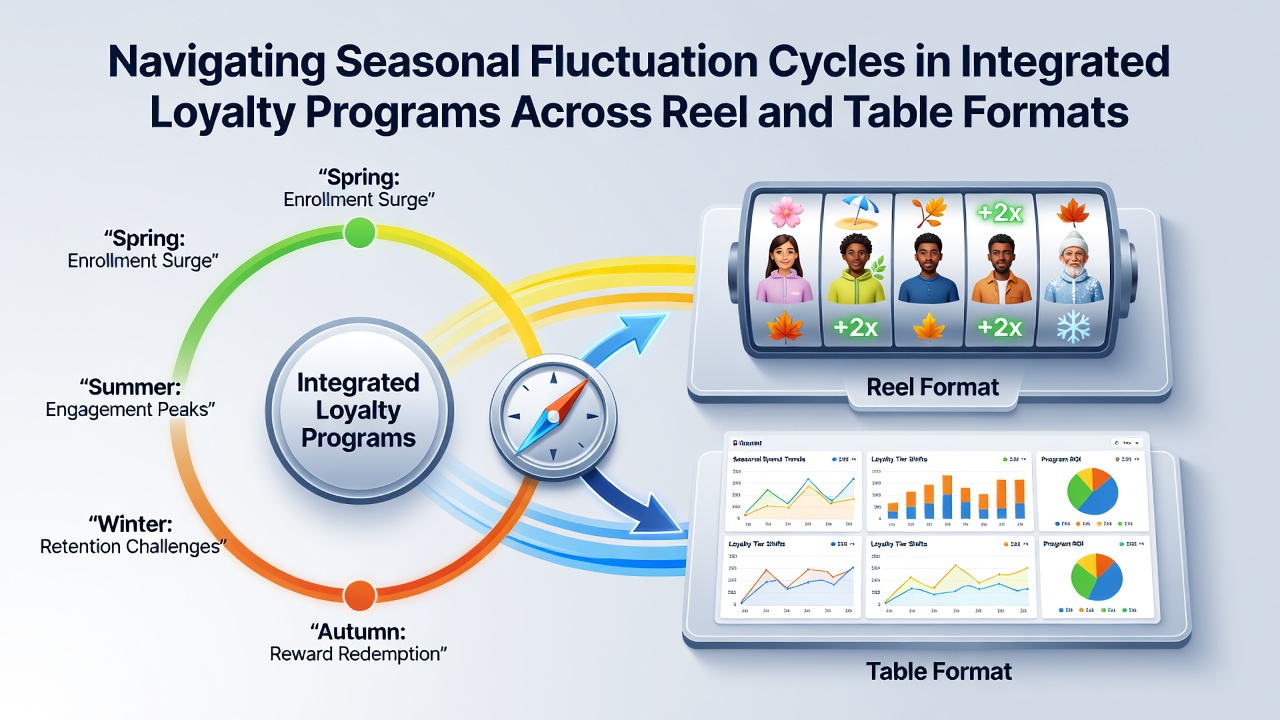
One study conducted by researchers at the University of Nevada Reno tracked 45,000 accounts over 18 months and found that players who split activity evenly between reel and table formats showed 23 percent less seasonal drop-off than single-format users. The integration appears to create a buffer effect because point balances remain usable across categories even when one game type experiences lower volume.
Operational Adjustments by Casino Groups
Properties adjust earning rates and redemption thresholds in response to monthly traffic data. During periods of expected decline operators increase table game point values to encourage crossover play from reel users. Conversely reel bonuses expand when table traffic falls. External data from the Ontario Lottery and Gaming Corporation shows that properties using these dynamic adjustments maintained average daily active accounts within 4 percent variance across all four quarters of the prior fiscal year.
Communication channels such as app notifications and email campaigns deliver personalized offers based on historical seasonal behavior. Players who historically increase table play in October receive targeted table point multipliers while those favoring reels receive matching incentives. This approach relies on historical data sets rather than real-time speculation and produces measurable retention lifts according to internal operator reports.
Conclusion
Integrated loyalty frameworks continue to evolve their handling of seasonal cycles through data-driven rate adjustments and cross-format incentives. Reports compiled through October 2026 demonstrate consistent patterns where unified tracking reduces volatility compared with siloed systems. Operators that align point structures with documented traffic shifts maintain steadier engagement levels across reel and table environments.